Will the Housing Market Crash in 2026? What to Expect
Last updated: July 2026 · 8 min read
“Will the housing market crash?” has been one of the most persistent questions in personal finance for years now. Prices sit near record highs, mortgage rates are still far above the pandemic-era lows that buyers remember, and affordability is stretched thin. For many would-be buyers, a crash almost sounds like the only way in.
But wanting a crash and forecasting one are different things. This piece looks at what the 2026 numbers actually say — on rates, prices and supply — and frames the outlook as a set of scenarios rather than a single prediction. The short version: the fear is understandable, but the mechanics of a 2008-style collapse are mostly missing.
Quick Answer
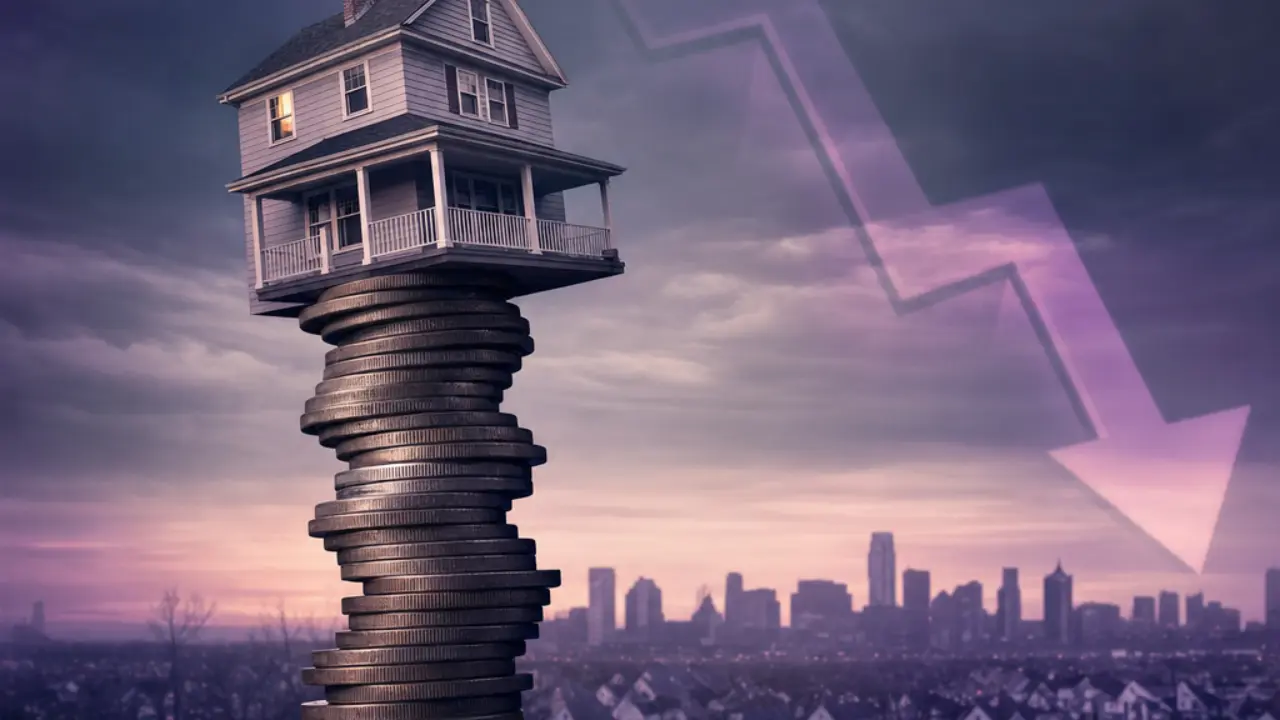
Most forecasters do not expect a nationwide housing crash in 2026. The 30-year fixed rate is hovering near 6%, home prices are expected to be roughly flat to modestly higher (from about 0% to the low single digits), and inventory is rising but still below pre-2020 levels. The consensus describes 2026 as a “transitional year” — more choice and negotiating room for buyers, not a collapse. The real risk sits in overstretched regional markets, not the country as a whole.
Why a 2026 crash looks unlikely
The strongest argument against a crash is supply. There simply aren’t enough homes: inventory is climbing — forecasts point to something like a 9% rise in existing-home listings — but it remains well below where it sat before 2020. A crash needs a flood of forced sellers, and today’s market has the opposite problem. Many owners are locked into ultra-low mortgages from a few years ago and have no reason to sell into higher rates.
The financial plumbing is also sturdier than in 2008. Lending standards are far tighter, homeowner equity is high, and the risky mortgage products that fuelled the last crash are largely gone. On top of that, rates are expected to drift down rather than spike — most forecasts keep the 30-year fixed near 6% and see a gradual easing through 2027. Prices, meanwhile, are projected to move only modestly, with estimates ranging from flat to around the low single digits.
What’s holding the market up
- Tight supply — inventory is rising but still below pre-2020 levels.
- Locked-in owners — low pandemic-era mortgages discourage selling.
- Sturdier lending — tighter standards and high equity versus 2008.
- Rates easing, not spiking — the 30-year fixed is expected to stay near 6%.

Where the risks actually are
“No national crash” does not mean “no risk.” Affordability is the weak point: with prices high and rates elevated, demand is fragile, and a sharp jump in unemployment or a renewed spike in rates could tip the balance. Some analysts also flag specific overheated metros — often pandemic boomtowns that ran up fastest — where prices could fall meaningfully even as the national average holds.
That is the honest way to hold this forecast: a broad crash is a low-probability outcome, but not a zero-probability one, and the pain could be very uneven by region. Housing is ultimately a story about rates, jobs and supply — and each of those can surprise. A forecasting lens treats “unlikely” as a probability to monitor, not a guarantee to bank on.
Possible scenarios
- Soft landing (base case) — flat-to-modest price growth, gradually easing rates, and slowly improving supply.
- Regional corrections — the national market holds while overheated metros see real price drops.
- Broader downturn (tail risk) — a rate spike or job-market shock drags prices down more widely.
Follow Economic Forecasts
Track the Housing Market on Nexory
Soft landing, regional dip or broader downturn? Nexory turns rate, jobs and price expectations into probabilities you can follow.
Explore Predictions on NexoryHousing doesn’t move in isolation — the bigger question is the economy around it, which we cover in whether there will be a US recession in 2026. And for why “a crash is unlikely” is a probability rather than a promise, see our guide on reading prediction market probabilities.
Frequently Asked Questions
Will the housing market crash in 2026?
Most forecasters say a nationwide crash is unlikely in 2026. Tight supply, sturdier lending and high homeowner equity make a 2008-style collapse improbable, though overheated regional markets could still see real price declines.
What will mortgage rates and prices do in 2026?
Forecasts keep the 30-year fixed rate near 6%, with a gradual decline expected through 2027. Home prices are projected to be roughly flat to modestly higher, with estimates ranging from about 0% to the low single digits.
Is 2026 a good time to buy a home?
That depends on your finances and local market, so this is general information rather than advice. That said, 2026 is described as a more balanced, transitional year, with rising inventory giving buyers more selection and negotiating power than at any point since the pandemic.