Copper Price Forecast 2026: AI, Power Grids, and Energy Transition Demand
Last updated: May 2026 · 8 min read
Copper has become one of the most important metals in the AI infrastructure and energy transition story. It is used across power grids, data centers, electrical equipment, renewable energy systems, electric vehicles, industrial machinery, and construction.
A copper price forecast for 2026 should therefore look beyond short-term commodity moves. The key question is whether demand from AI data centers, grid expansion, and electrification can keep tightening the market — or whether weaker global growth, substitution, and new supply can limit upside.

Quick Answer
Copper prices in 2026 could remain supported if AI data centers, power grid investment, and electrification keep demand strong while mine supply remains constrained. A bullish scenario depends on tight supply and continued infrastructure spending. A bearish scenario would require weaker industrial demand, slower AI capex, or meaningful supply relief.
Why Copper Matters for AI Infrastructure
AI is often described through chips and software, but data centers are also electrical systems. They need power cables, transformers, switchgear, cooling equipment, backup systems, substations, and grid connections. Copper is used throughout that physical layer.
This makes copper a bridge between technology forecasts and commodity markets. If AI data center construction accelerates, copper demand may benefit indirectly through electrical infrastructure and grid upgrades.
For more context on the energy side of this theme, see our article on AI data center energy demand in 2026.
Copper Demand Drivers
- AI data centers — large campuses require electrical distribution, cooling, backup systems, and grid connections.
- Power grid expansion — new transmission and distribution investment can increase copper use.
- Renewable energy — solar, wind, and storage systems require significant electrical infrastructure.
- Electric vehicles — EVs and charging networks remain long-term copper demand sources.
- Industrial cycle — manufacturing, construction, and China demand still matter for near-term price direction.
The Supply Side: Why Copper Can Be Hard to Expand Quickly
Copper supply is not easy to increase quickly. New mines require long development timelines, environmental approvals, infrastructure, financing, and political stability. Existing mines can also face declining ore grades, labor disputes, water constraints, or regulatory challenges.
Recycling can help, but it may not fully offset demand growth if electrification and grid investment accelerate at the same time. This creates the possibility of a structurally tight market.
However, copper prices are also cyclical. If global manufacturing slows, construction weakens, or China demand disappoints, copper can fall even when long-term demand themes remain intact.
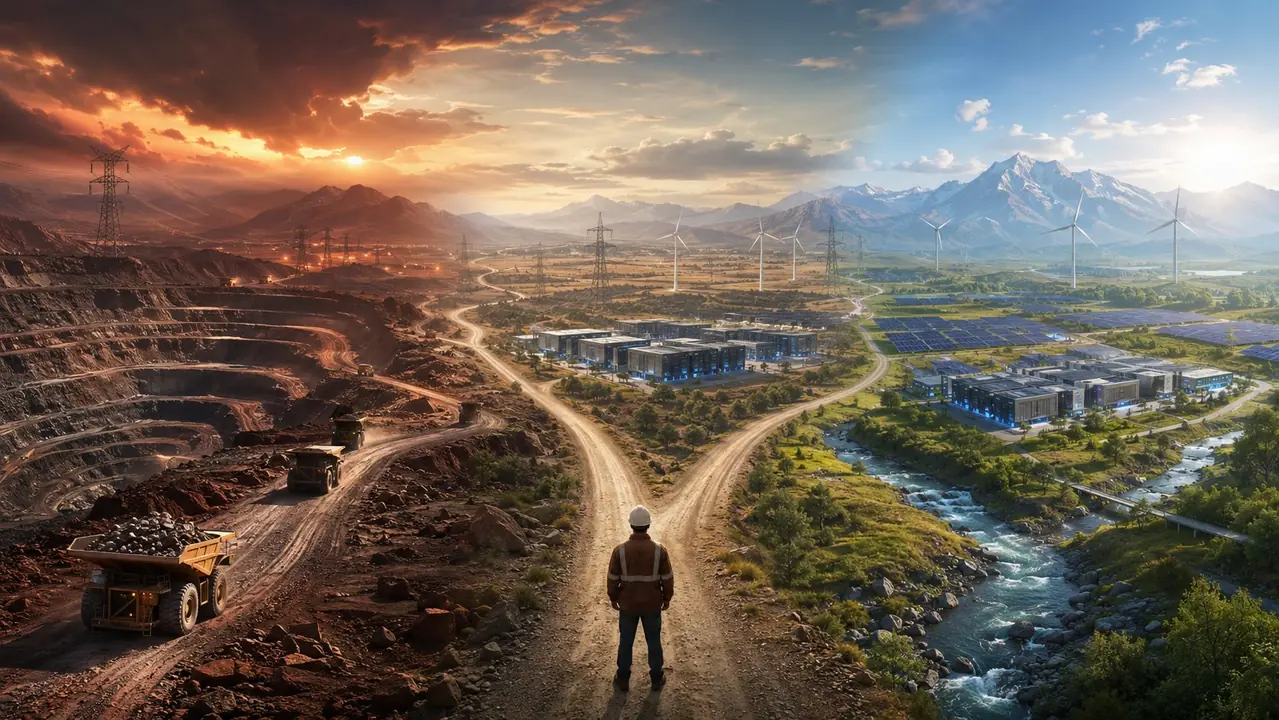
Three Scenarios for Copper Prices in 2026
Possible Scenarios
- Bullish scenario — AI infrastructure, grid investment, and electrification demand remain strong while supply growth disappoints.
- Base scenario — long-term demand remains supportive, but prices move in a wide range as macro conditions and China demand fluctuate.
- Bearish scenario — weaker manufacturing, slower data center capex, or improved supply reduces market tightness.
1. Bullish Scenario
In a bullish copper scenario, AI data centers and grid expansion add to an already tight market. Electrification remains strong, new mine supply disappoints, and inventories stay low.
This would make copper one of the clearer commodity expressions of the AI infrastructure cycle. The strongest version of this scenario would also include stronger industrial demand and a weaker dollar.
2. Base Scenario
In the base scenario, copper remains supported by structural demand, but prices remain volatile. AI infrastructure and power grids help the long-term story, while short-term moves are still driven by macro data, China demand, inventories, and dollar strength.
This scenario is probably the most realistic if the world economy avoids a deep slowdown but does not enter a strong synchronized industrial expansion.
3. Bearish Scenario
In a bearish scenario, demand expectations cool. Manufacturing activity weakens, construction demand slows, AI infrastructure spending becomes more selective, or mine supply improves faster than expected.
Copper could still have a strong long-term demand story under this scenario, but 2026 prices would be pressured by weaker near-term fundamentals.
What Could Move Copper Higher or Lower?
Forecasting Checklist
- Higher copper risk — stronger AI data center buildout, faster grid investment, lower inventories, supply disruptions, and a weaker dollar.
- Lower copper risk — weaker China demand, industrial slowdown, higher inventories, delayed AI capex, and stronger mine supply.
- Neutral signals — stable inventories, mixed manufacturing data, and infrastructure spending that grows but does not surprise markets.
How Copper Links to Other Market Forecasts
Copper often reflects both growth expectations and supply constraints. That makes it different from gold, which is more closely linked to real yields, safe-haven demand, and monetary uncertainty.
For comparison, see our articles on gold price scenarios for 2026 and silver price scenarios for 2026. Copper is more directly tied to physical infrastructure and industrial demand.
Copper also links naturally to the Dollar Index forecast for 2026, because a stronger dollar can pressure commodity prices, while a weaker dollar can make commodities more attractive to global buyers.
Follow Market Expectations
Explore Finance and Commodity Forecasts
Nexory lets users follow real-world forecasts across finance, crypto, technology, politics, sports, and global events as expectations change.
Explore PredictionsConclusion: Copper Is an AI Infrastructure Metal
Copper’s 2026 outlook depends on both old and new drivers. Traditional industrial demand still matters, but AI data centers, power grids, electrification, and energy transition infrastructure are becoming more important parts of the forecast.
A strong copper price scenario requires demand growth to keep running into supply limits. A weaker scenario would require macro softness, slower AI infrastructure spending, or improved supply. The outcome remains uncertain, but copper is likely to remain central to the infrastructure side of the AI economy.
Frequently Asked Questions
Why does AI affect copper demand?
AI affects copper demand through data center construction, electrical equipment, cooling systems, power distribution, and grid upgrades needed to support large compute loads.
Could copper prices rise in 2026?
Copper prices could rise if infrastructure demand remains strong while mine supply and inventories stay tight. However, prices could weaken if global industrial demand slows.
What are the biggest risks to copper prices?
Key risks include weaker China demand, a stronger dollar, higher inventories, mining supply growth, delayed grid investment, and slower AI data center expansion.
Is copper more like gold or oil?
Copper is more industrial than gold and less directly energy-linked than oil. It often reflects manufacturing, infrastructure demand, supply constraints, and expectations for global growth.