AI Data Center Regulation 2026: Could Local Pushback Slow the Buildout?
Last updated: May 2026 · 8 min read
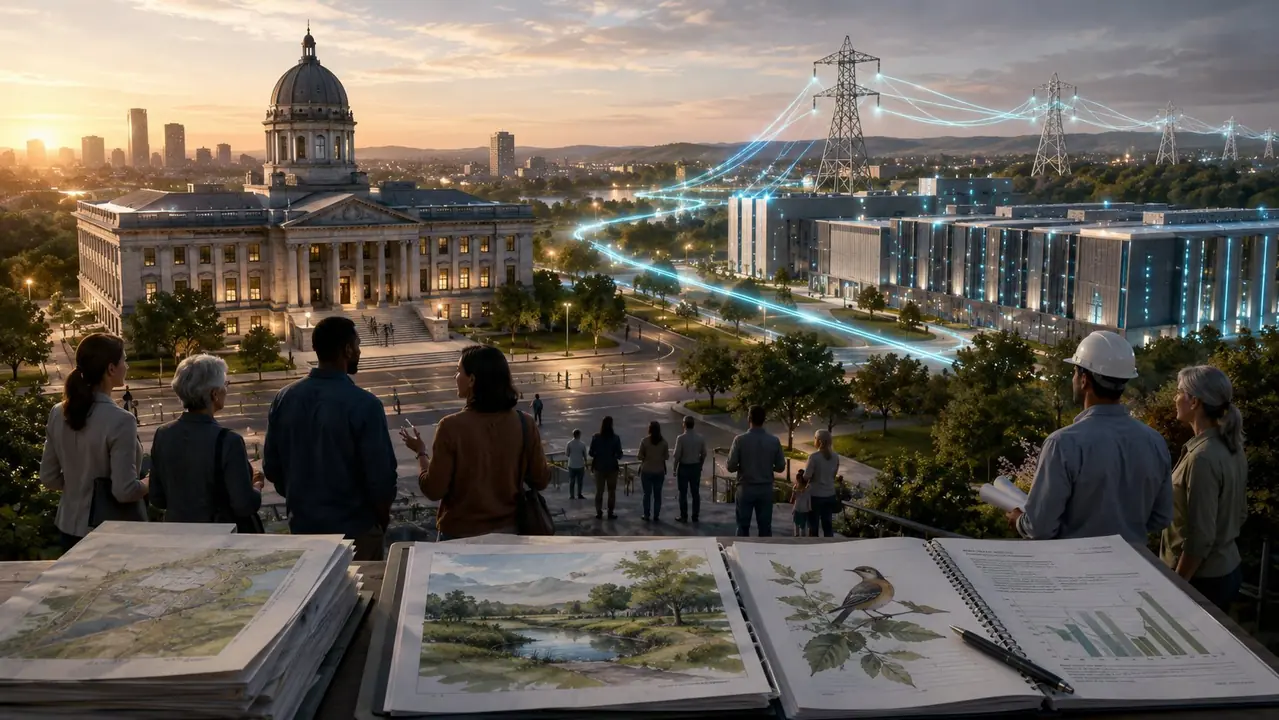
AI data centers are becoming a local policy issue, not only a technology story. As large campuses require more electricity, water, land, grid upgrades, and tax incentives, communities are asking who benefits, who pays, and what risks are being transferred to residents.
That makes AI data center regulation in 2026 a key forecasting topic. The next phase of AI infrastructure may depend not only on chips and capital expenditure, but also on zoning decisions, utility rules, environmental review, local referendums, and public acceptance.
Quick Answer
AI data center regulation could become a major constraint on the infrastructure buildout in 2026. Local pushback may slow projects where residents worry about electricity costs, water use, noise, pollution, land use, and tax incentives. The most likely outcome is a regional split: faster approvals in power-rich areas and stricter review in constrained or politically sensitive locations.
Why AI Data Centers Are Becoming a Regulation Issue
Data centers used to be treated mostly as technical or commercial infrastructure. The AI buildout changes that. Modern AI campuses can require large power connections, major cooling systems, backup generation, transmission upgrades, and long-term utility planning.
Local communities are increasingly focused on practical questions: Will electricity bills rise? Will water supply be affected? Will the project create enough long-term jobs? Will tax incentives reduce public revenue? Will the grid become less reliable during peak periods?
This article connects to our broader analysis of AI data center energy demand in 2026. Energy demand is the foundation, but regulation decides where that demand can actually be built.
Main Regulatory Pressure Points
- Zoning and land use — whether large campuses are allowed near homes, schools, farms, or protected land.
- Power availability — whether the local grid can absorb large new loads without harming reliability.
- Water use — whether cooling demand creates pressure in dry or already stressed regions.
- Tax incentives — whether public subsidies are justified by long-term local benefits.
- Environmental review — whether noise, emissions, backup generators, and construction impacts are acceptable.
Local Pushback: What Communities Are Reacting To
Local resistance does not always mean opposition to technology itself. In many cases, the concern is about infrastructure cost and environmental burden. Residents may support economic development but still question whether a specific project is too large, too close, too resource-intensive, or too opaque.
The most sensitive projects are likely to be those located in areas with water stress, high summer electricity demand, limited grid capacity, or a history of industrial pollution. In these places, data centers may become part of broader debates about fairness, growth, and local control.
This is why AI data center regulation is not a single national issue. It is a patchwork of city councils, state incentives, public utility commissions, environmental agencies, and community campaigns.
Three Scenarios for AI Data Center Regulation in 2026
Possible Scenarios
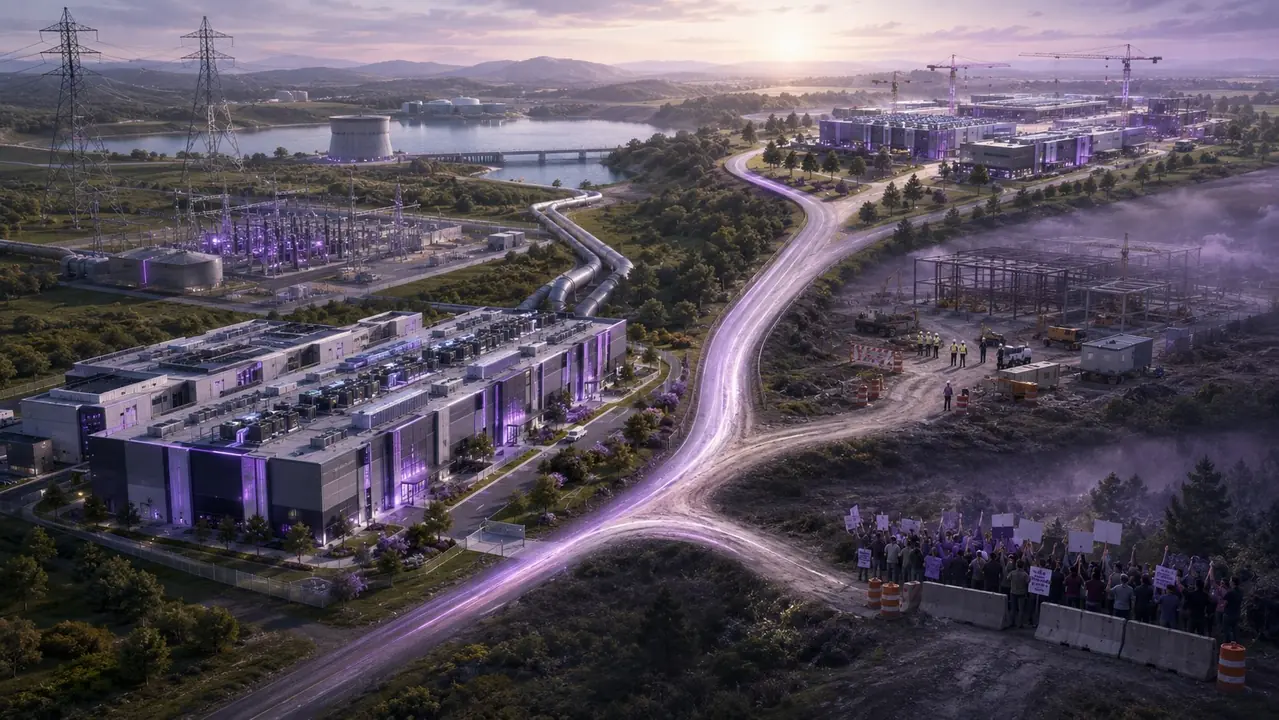
- Fast approval scenario — regions with available power and pro-investment policy continue approving data center projects quickly.
- Conditional approval scenario — projects move forward, but only with stricter water, power, tax, and community benefit requirements.
- Moratorium scenario — some cities or states pause approvals while they study grid, water, environmental, and fiscal impacts.
1. Fast Approval Scenario
In a fast approval scenario, local governments continue to compete for data center investment. Projects are welcomed because they bring construction activity, property tax revenue, infrastructure spending, and association with the AI economy.
This scenario is more likely in regions with available land, relatively low power costs, stronger grid capacity, and political support for technology infrastructure.
2. Conditional Approval Scenario
In the conditional approval scenario, data centers still get built, but the rules become stricter. Developers may need to pay more directly for grid upgrades, disclose water use, commit to clean energy, reduce peak demand, or provide community benefits.
This may become the most balanced path. It allows AI infrastructure growth while reducing the chance that local residents absorb costs without clear benefits.
3. Moratorium Scenario
In a moratorium scenario, some jurisdictions temporarily stop new approvals while they evaluate infrastructure impacts. This can happen when public concern rises faster than policy frameworks can adapt.
A moratorium does not necessarily mean permanent rejection. It may be used to create new rules for power demand, water reporting, tax incentives, emergency backup systems, or project siting.
What Regulation Could Mean for AI Growth
Stricter regulation could slow some projects, but it may also make the sector more durable. Clear rules can reduce uncertainty for developers, utilities, and communities. The biggest risk is not regulation itself, but fragmented regulation that changes late in the project cycle.
If local rules become stricter, data center operators may shift toward regions with better grid capacity, more predictable permitting, cooler climates, or stronger public-private planning. This could create winners and losers among regions, utilities, and infrastructure providers.
Regulation also connects to the broader question of AI regulation in 2026. Model rules and infrastructure rules are different, but both shape how quickly AI can scale.
Follow Technology Forecasts
Explore Real-World Forecasts on Nexory
Nexory lets users follow forecasts across technology, finance, crypto, politics, sports, and global events as expectations evolve.
Explore PredictionsConclusion: Local Rules Could Shape the AI Buildout
AI data center regulation in 2026 could become one of the most important constraints on AI infrastructure growth. The issue is not whether demand for data centers exists. The issue is where projects can be built, under what conditions, and with what obligations to local communities.
The most likely outcome is a regional split. Some areas may accelerate approvals, while others introduce stricter review, new tariffs, water rules, or temporary pauses. For forecasters, local permitting may become as important as AI model releases.
Frequently Asked Questions
Why are AI data centers facing local pushback?
Local pushback often focuses on electricity demand, water use, noise, land use, tax incentives, pollution concerns, and whether residents may absorb infrastructure costs.
Could regulation slow AI data center growth?
Yes, regulation could slow projects in constrained regions. However, clear rules may also make growth more predictable by defining how developers handle power, water, and community impacts.
What rules could governments introduce?
Possible rules include large-load tariffs, water reporting, environmental review, zoning limits, grid contribution requirements, and stricter conditions for tax incentives.
What should forecasters watch?
Important signals include moratorium proposals, utility rate cases, zoning votes, public hearings, water-use disclosures, tax incentive reviews, and grid interconnection delays.