Will TikTok Be Banned in 2026? The Deal That Saved It
Last updated: July 2026 · 8 min read
For nearly two years, “Is TikTok about to be banned?” was one of the most searched questions in American tech. Deadlines came and went, the Supreme Court weighed in, and the app repeatedly survived on last-minute extensions. Then, in January 2026, the saga reached a resolution that few of the doom headlines had fully priced in.
So where does that leave 2026? This piece traces how the ban was averted, what the new ownership actually changed, and why the question hasn’t entirely disappeared — framed, as always, around what is settled and what is still uncertain.
Quick Answer
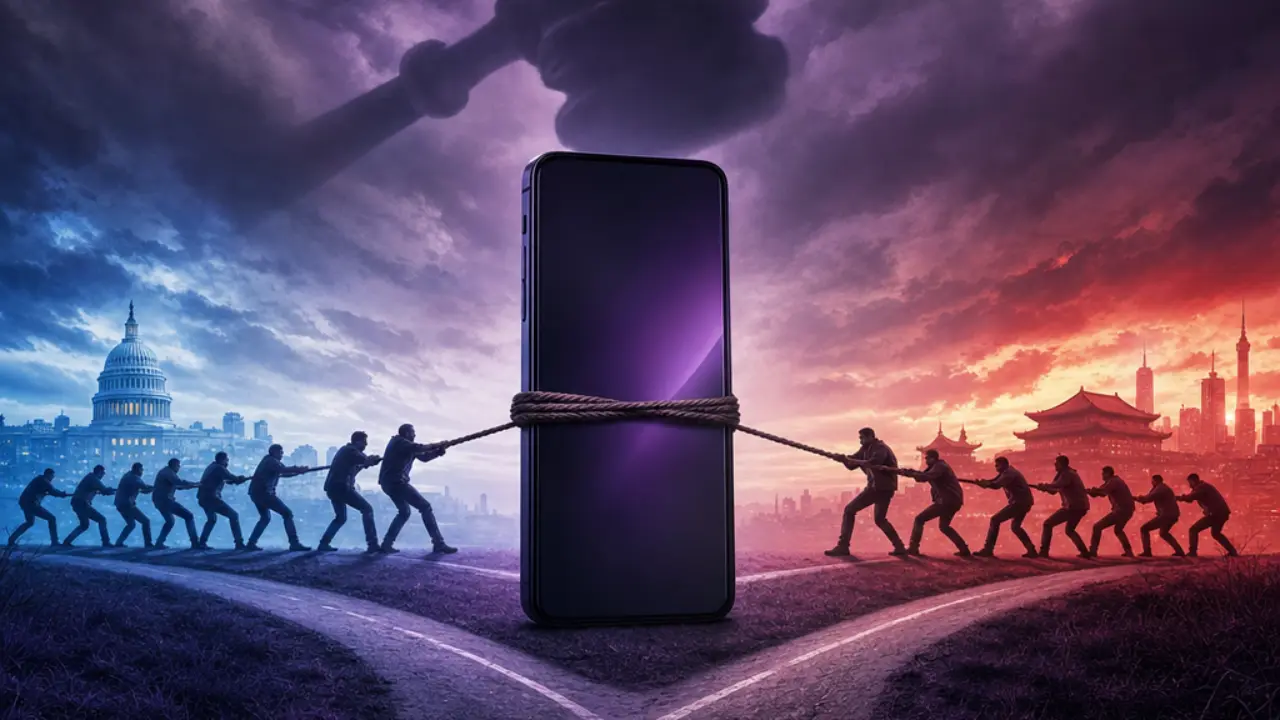
No — as of 2026, TikTok is not being banned in the US. A divestiture deal that closed on 22 January 2026 moved TikTok’s US operations into a new American-majority entity, bringing the app into compliance with the sale-or-ban law and permanently averting the federal ban. TikTok remains available and largely unchanged for users. What is left is not a ban countdown but ongoing oversight — and a set of unanswered questions about how the new structure works in practice.
How the ban was averted
The pressure came from a 2024 law requiring TikTok’s Chinese parent, ByteDance, to sell its US operations or see the app removed from American app stores. The Supreme Court upheld that sale-or-ban law in January 2025, and through the rest of the year TikTok kept operating under a series of deadline extensions while negotiations dragged on.
The deal finally closed on 22 January 2026. TikTok’s US business was placed into a new entity, TikTok USDS Joint Venture LLC, with a group of US and allied investors — led by Oracle, Silver Lake and MGX at roughly 15% each — taking majority control, while ByteDance retained a minority stake of under 20%. Because US operations now sit with an American-majority ownership group, the federal ban was permanently averted.
What the deal changed
- New entity — US operations moved into TikTok USDS Joint Venture LLC.
- Majority US ownership — Oracle, Silver Lake and MGX at about 15% each.
- ByteDance minority — the Chinese parent kept a stake below 20%.
- Safeguards — data protection, algorithm security and content-moderation assurances for US users.
Why the question hasn’t fully gone away
A closed deal is not the same as a closed case. Policy analysts have argued the arrangement leaves important questions unanswered — from how the recommendation algorithm is secured and audited, to how much operational influence ByteDance retains through its minority stake. Some in Congress have pressed for the full details of the agreement to be disclosed, and compliance and oversight are set to be ongoing rather than one-off.
That is why a forecaster wouldn’t mark the probability of future disruption at exactly zero. If safeguards were found to be breached, or if the political mood shifted, the issue could resurface in a different form. The base case is clear — TikTok stays — but the tail risks are worth watching rather than dismissing.
Possible scenarios
- Stable under new ownership (base case) — the deal holds and TikTok operates much as before, under ongoing oversight.
- Renewed scrutiny — disclosure fights or compliance concerns keep the app in the political spotlight without removing it.
- Deal unravels (tail risk) — a breach or legal challenge reopens the ban question in a new form.
Follow Tech & Policy Forecasts
Track TikTok’s US Future on Nexory
Settled for now, but not without open questions. Nexory turns tech-policy uncertainty into probabilities you can follow as the story develops.
Explore Predictions on NexoryTikTok’s fate has always been as much about geopolitics as technology — see the wider picture in our look at US–China trade and technology tensions in 2026. And to interpret “low but not zero” risk the right way, read our guide on reading prediction market probabilities.
Frequently Asked Questions
Is TikTok banned in the US in 2026?
No. A divestiture deal that closed in January 2026 brought TikTok’s US operations into compliance with the sale-or-ban law and permanently averted the federal ban. The app remains available and works largely as it did before.
Who owns TikTok’s US operations now?
US operations sit in a new entity, TikTok USDS Joint Venture LLC, controlled by a US and allied investor group led by Oracle, Silver Lake and MGX at around 15% each. ByteDance, the Chinese parent, retains a minority stake of under 20%.
Could TikTok still be banned later?
It is unlikely in the near term, but not impossible. Analysts note the deal leaves open questions about algorithm security and oversight, and a serious compliance breach or political shift could reopen the issue in a different form. The base case is that TikTok stays.