Iran Sanctions and Oil Supply 2026: Market Risks
Last updated: May 2026 · 8 min read
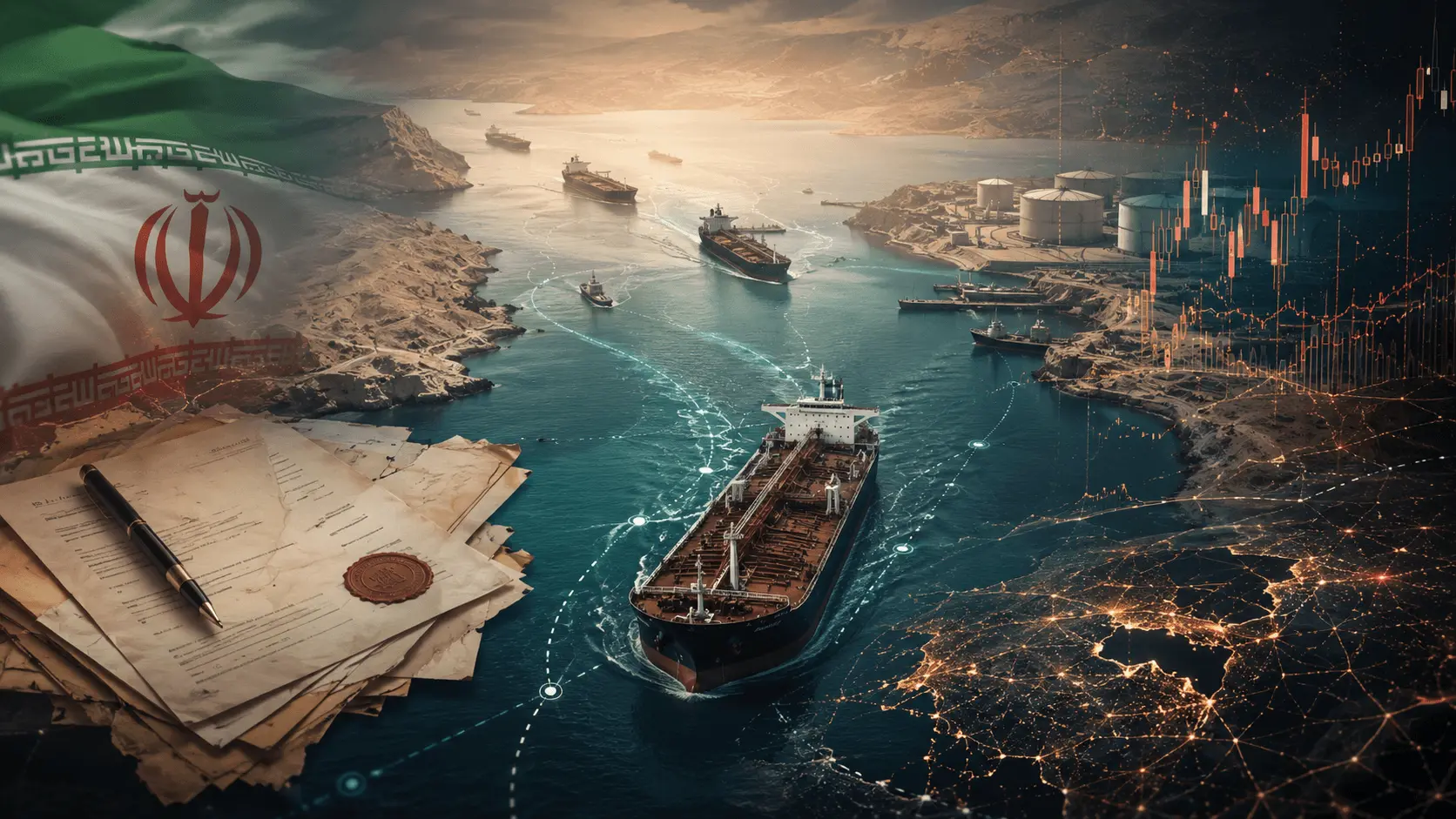
Iran sanctions and oil supply risks are back at the center of global market attention in 2026. The issue is not only whether Iran exports more or less crude. It is also about shipping routes, waivers, regional security, refinery behavior, and whether buyers can replace disrupted barrels from other suppliers.
For forecasters, the key question is not “will sanctions move oil prices?” but how strongly sanctions, enforcement, and shipping constraints could affect supply expectations. A sanctions headline may matter less than the practical details: who can buy, how cargoes move, whether insurance is available, and whether the Strait of Hormuz remains usable.
Iran sanctions connect directly to Strait of Hormuz oil risk scenarios, which are among the geopolitical outcomes prediction markets are watching most closely in 2026.
Quick Answer
Iran sanctions could affect oil supply in 2026 by limiting exports, changing buyer behavior, increasing shipping uncertainty, and raising risk premiums. The market impact depends on enforcement, waivers, regional security, spare capacity, and whether alternative routes can replace barrels that normally move through the Persian Gulf.
Why Iran Sanctions Matter for Oil Supply
Sanctions affect oil markets through both direct and indirect channels. The direct channel is export availability: if sanctions reduce Iran’s ability to sell crude, fewer barrels may reach the market. The indirect channel is market confidence: even if physical flows continue, uncertainty about enforcement, shipping, or payment systems can increase the risk premium embedded in oil prices.
The 2026 context is especially sensitive because sanctions questions overlap with broader Middle East shipping risk. Oil buyers do not only assess whether Iranian barrels are available. They also evaluate whether cargoes from Iraq, Kuwait, Qatar, Bahrain, Saudi Arabia, and the UAE can move reliably through or around the Strait of Hormuz.
This makes Iran sanctions a cross-cluster forecasting topic: it connects geopolitics, oil supply, inflation, recession risk, and market sentiment. For broader background, see our article on how Middle East conflict affects oil prices.
Key Channels to Watch in 2026
Main Drivers
- Export enforcement — stricter enforcement could reduce accessible Iranian supply, while waivers could soften the impact.
- Buyer behavior — large importers may shift toward alternative suppliers if sanctions or shipping risk increase.
- Hormuz access — even partial disruption can affect regional barrels beyond Iran.
- Insurance and shipping costs — risk premiums can rise before actual supply falls.
- Spare capacity — Saudi Arabia, the UAE, and other producers may influence how quickly lost barrels are replaced.
- Refinery flexibility — refiners with access to multiple crude grades may adjust faster than those built around specific Middle East grades.
Possible Scenarios for Iran Sanctions and Oil Supply
Possible Scenarios
- Managed sanctions scenario — sanctions remain in place but waivers, exemptions, or quiet enforcement flexibility allow some flows to continue. Oil prices may stay sensitive, but a major supply shock is avoided.
- Strict enforcement scenario — sanctions enforcement tightens and buyers reduce Iranian crude purchases. This could increase demand for substitute barrels from Latin America, Africa, Russia, Saudi Arabia, or the UAE.
- Escalation scenario — sanctions pressure combines with regional military or shipping disruption. In this case, the market impact may be larger because the issue becomes broader than Iranian supply alone.
- De-escalation scenario — diplomacy reduces enforcement uncertainty and shipping routes gradually normalize. This could lower the risk premium, although full normalization may still take time.
How Sanctions Could Affect Oil Prices
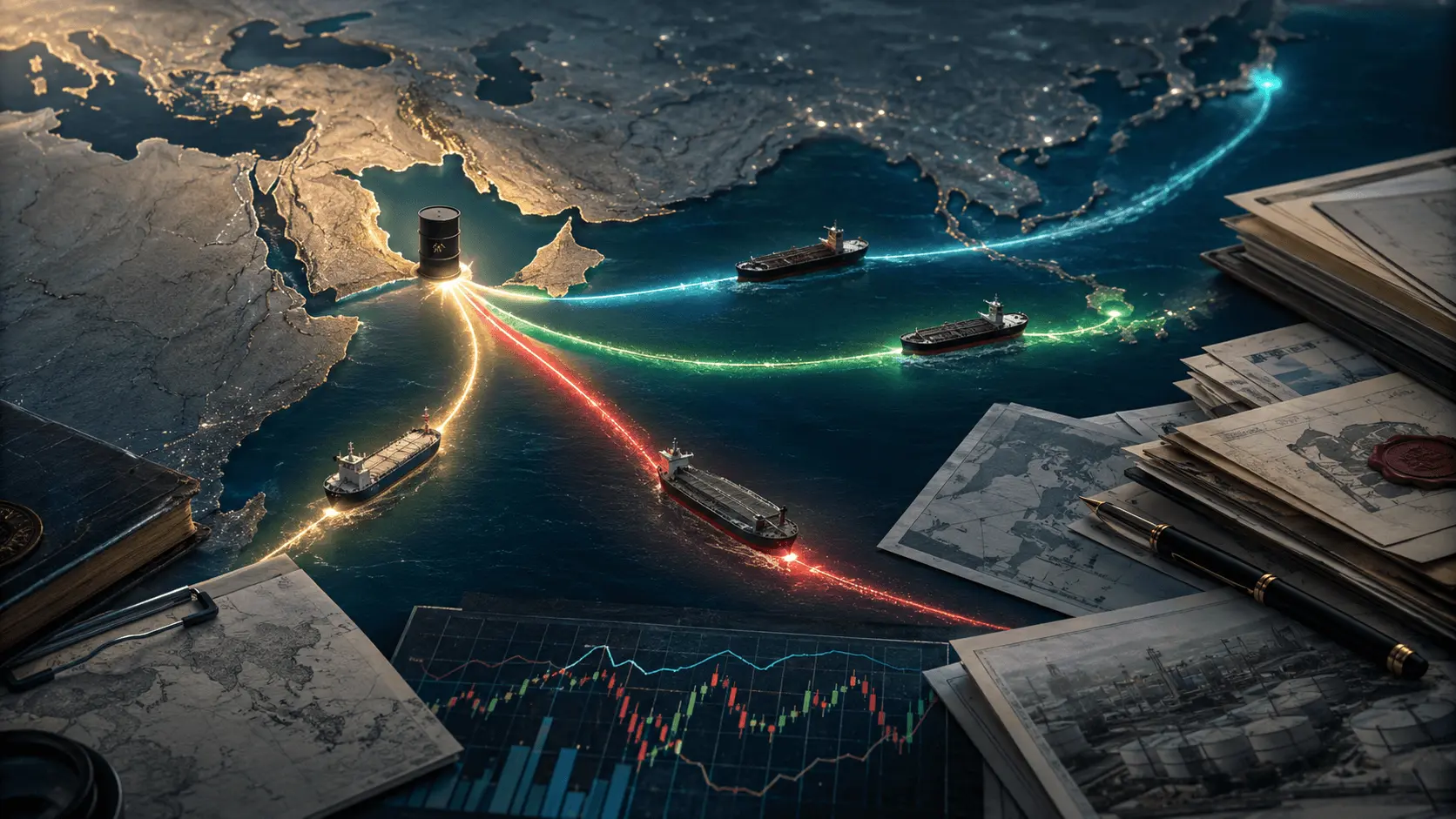
Oil prices usually react not only to barrels removed from the market, but also to the probability that future barrels may become harder to access. This is why sanctions-related headlines can move prices even before export data shows a clear change.
A modest sanctions impact may show up as a risk premium. A larger impact could appear through tighter physical supply, higher freight rates, refinery substitutions, or stronger competition for similar crude grades. The strongest effect would likely come if sanctions pressure coincides with a broader disruption to Gulf shipping.
For oil-specific scenarios, see our broader oil price prediction 2026 analysis.
Why Asian Demand Matters
Asian importers are especially important because many Gulf cargoes move east. If buyers such as India or China shift sourcing patterns, the effect can ripple across global crude markets. Alternative barrels from Africa, Latin America, Russia, or the Atlantic basin may become more valuable if Middle East flows look less reliable.
This does not mean every sanctions scenario creates a supply crisis. It means oil forecasts should watch the full chain: export policy, shipping availability, insurance, refinery demand, inventory levels, and substitute supply.
Forecasting Signals to Watch
Forecast Checklist
- Waiver language — temporary waivers can reduce near-term supply pressure.
- Shipping insurance — higher war-risk costs may signal rising market stress.
- Asian import data — shifts in India and China can reveal how buyers are adapting.
- OPEC+ response — spare capacity and production choices influence replacement supply.
- Hormuz vessel traffic — physical movement through the strait is a real-time risk indicator.
- Inflation expectations — energy shocks can feed into broader macro forecasts.
Oil supply risks also matter for broader economic outcomes. If energy costs stay elevated, they can influence inflation, consumer spending, central bank decisions, and recession probabilities. For macro context, read our analysis of global recession risk in 2026 and the inflation forecast for 2026.
Follow Geopolitical Forecasts
Explore Real-World Predictions on Nexory
Nexory lets users follow and participate in prediction markets around geopolitics, crypto, finance, sports, and global events as expectations change over time.
Explore PredictionsConclusion
Iran sanctions and oil supply risks in 2026 should be analyzed as a system, not as a single headline. The most important variables are enforcement, waivers, shipping access, buyer substitution, spare capacity, and whether tensions around the Persian Gulf ease or escalate. The outlook remains uncertain, which makes scenario-based forecasting more useful than a single fixed prediction.
Frequently Asked Questions
How could Iran sanctions affect oil supply in 2026?
Iran sanctions could affect oil supply by limiting exports, changing buyer behavior, increasing shipping uncertainty, and raising the cost of moving crude through high-risk routes.
Do Iran sanctions always increase oil prices?
No. The price impact depends on enforcement, waivers, available substitute supply, global demand, inventories, and whether shipping routes remain open.
Why does the Strait of Hormuz matter for Iran sanctions?
The Strait of Hormuz matters because many Gulf energy exports move through or near the waterway. If sanctions pressure overlaps with shipping disruption, the market impact can extend beyond Iranian oil alone.
What should oil forecasters watch next?
Forecasters should watch waiver policy, Asian import patterns, Hormuz traffic, shipping insurance costs, OPEC+ supply decisions, and inflation expectations.