Strait of Hormuz Risk 2026: How a Shipping Chokepoint Could Affect Markets
Last updated: May 2026 · 8 min read
The Strait of Hormuz is one of the most important energy chokepoints in the world. When risk rises around the waterway, markets do not only think about oil supply. They also evaluate LNG cargoes, tanker insurance, shipping delays, refinery access, inflation, and the possibility that a regional conflict could affect global growth.
In 2026, Strait of Hormuz risk has become a direct forecasting issue. Some tankers have moved through the waterway again, but partial movement does not automatically mean full normalization. The market question is whether the chokepoint is returning to normal, entering a managed-risk phase, or remaining exposed to renewed disruption.
The Strait of Hormuz risk cannot be read without understanding the Iran sanctions framework in 2026. For the wider geopolitical picture, see Nexory’s geopolitical forecasts hub.
Quick Answer
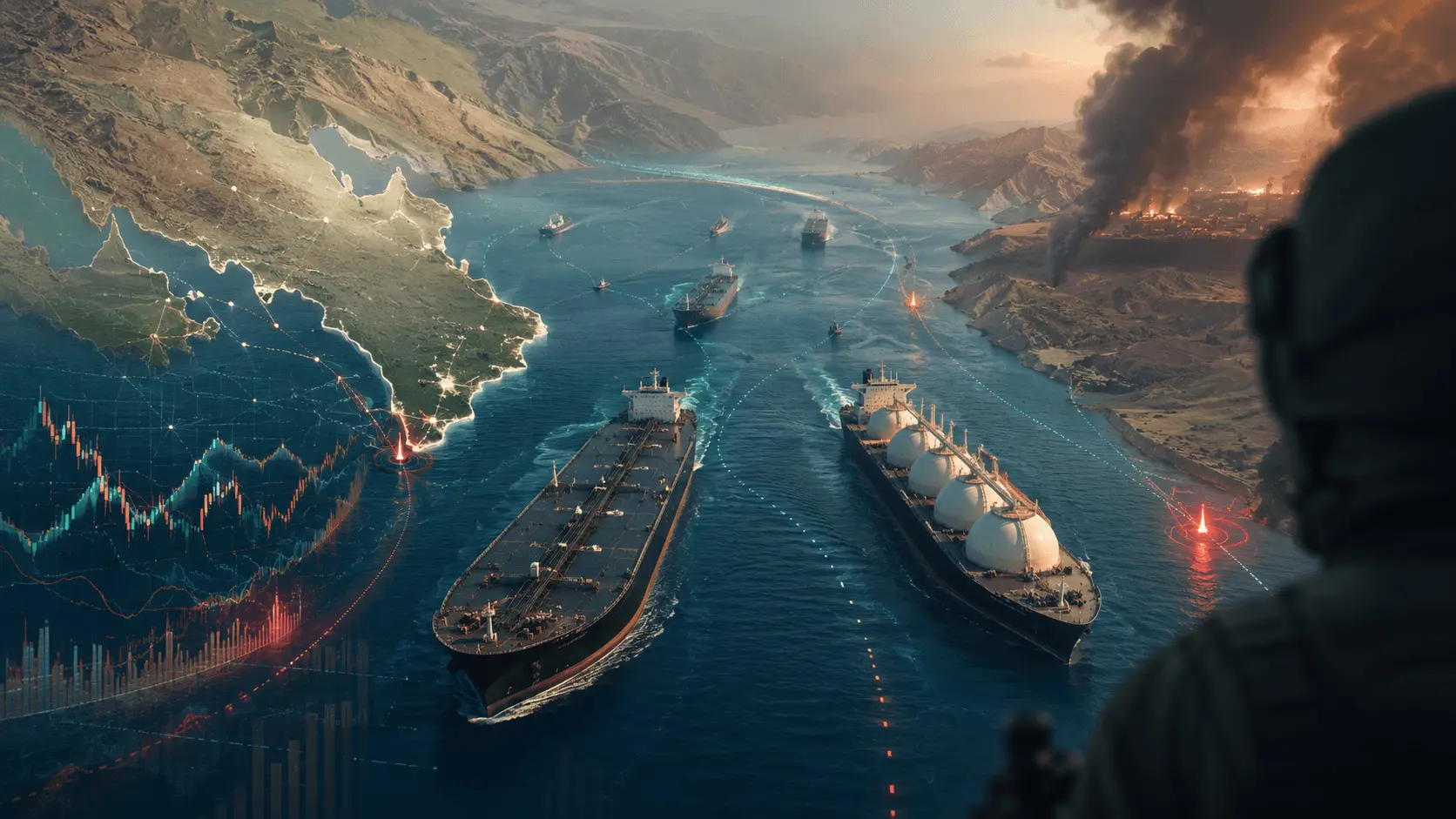
Strait of Hormuz risk in 2026 could affect markets through oil supply, LNG flows, shipping insurance, inflation expectations, and investor sentiment. The impact depends on whether tanker traffic normalizes, remains restricted, or faces renewed escalation.
Why the Strait of Hormuz Matters
The Strait of Hormuz is the maritime exit point for much of the Persian Gulf’s energy exports. It matters because several major producers depend on it to reach global buyers. Even when oil itself is available, a shipping constraint can prevent supply from reaching refineries on time.
The chokepoint also matters for LNG. Qatar is a major LNG exporter, and LNG is harder to reroute through pipelines than some crude oil. That makes energy forecasts especially sensitive to shipping conditions, vessel availability, and the willingness of shipowners to move through high-risk areas.
This is why Hormuz risk belongs in both geopolitics and macro forecasting. It can affect oil prices, gas prices, inflation expectations, and growth forecasts. For broader oil context, see our analysis of how Middle East conflict affects oil prices.
The Main Market Transmission Channels
Market Channels
- Crude oil flows — restricted tanker movement can delay or reduce regional exports.
- LNG availability — LNG cargo disruptions can affect Asian and European energy buyers.
- Shipping insurance — war-risk premiums can raise delivered energy costs.
- Freight rates — longer routes, delays, and risk controls can make transport more expensive.
- Inventories — countries and companies with larger reserves can absorb disruption for longer.
- Inflation expectations — higher energy costs can feed into headline inflation and policy expectations.
Three Possible Hormuz Scenarios
Possible Scenarios
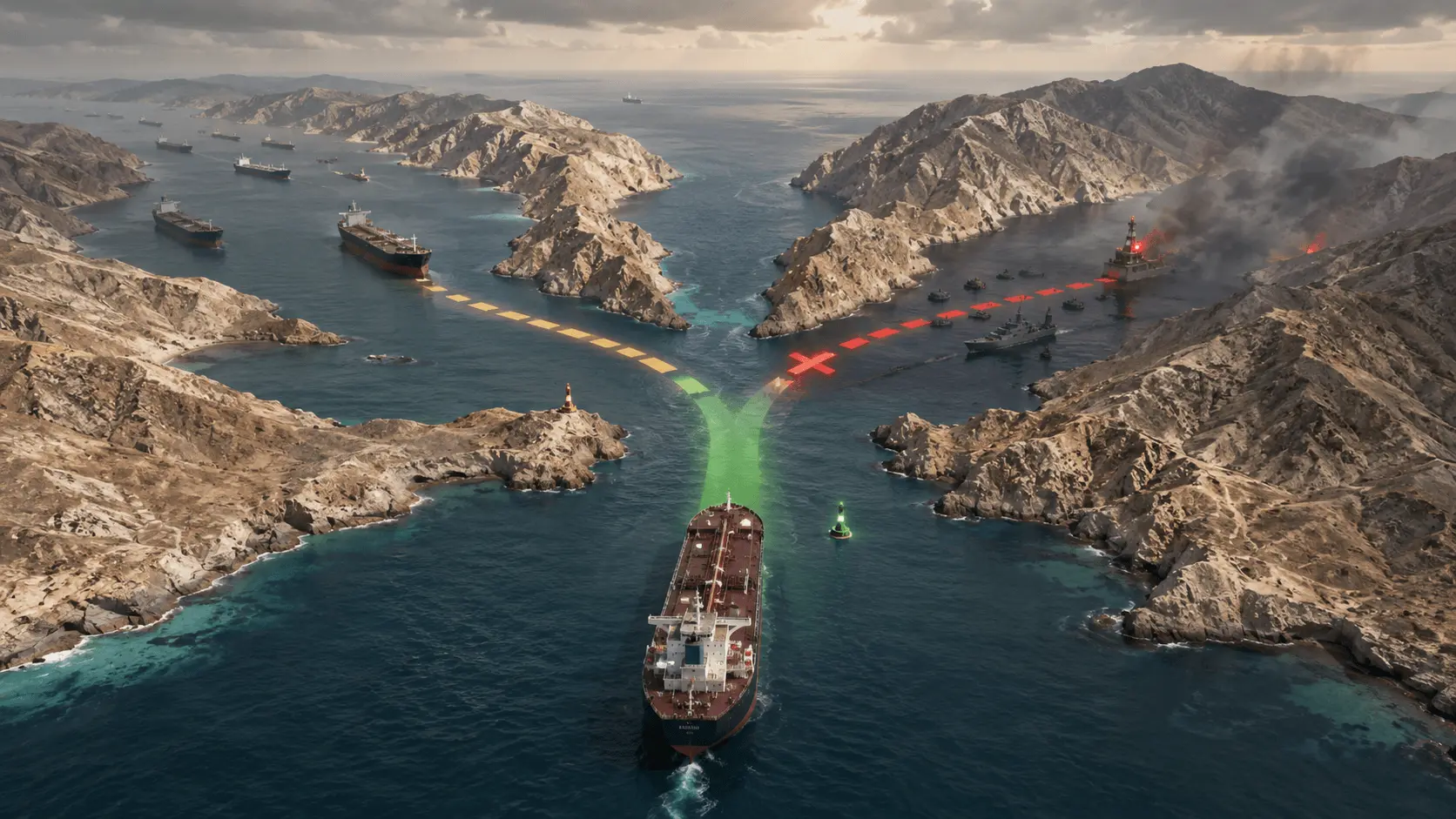
- Gradual normalization — more tankers move safely through the waterway, shipping confidence improves, and the market risk premium declines over time.
- Managed disruption — selected cargoes move, but traffic remains below normal. Energy prices may stay volatile because the market cannot fully trust supply reliability.
- Renewed escalation — traffic falls again due to military risk, restrictions, insurance withdrawal, or vessel incidents. This would likely increase oil and LNG uncertainty quickly.
Why Partial Reopening May Not Be Enough
A few successful tanker passages can reduce market stress, but they do not automatically restore normal conditions. Energy markets usually need repeated confirmation: stable routes, predictable approvals, affordable insurance, normal port schedules, and confidence from shipowners.
If traffic remains thin, buyers may continue to diversify supply. That can create unusual trade flows, higher transport costs, and stronger competition for barrels outside the Gulf. These effects can continue even after the most dramatic phase of a crisis appears to fade.
For this reason, Hormuz risk should be tracked as a probability curve rather than a binary open-or-closed question. The most important signal is not only whether ships pass, but how many pass, how often, under what conditions, and at what cost.
How Hormuz Risk Could Affect Oil Prices
Oil prices can rise when traders expect future supply to become less reliable. Even before physical shortages appear, a chokepoint risk can add a premium to crude prices. The size of that premium depends on how much spare supply exists, how quickly alternative routes can be used, and whether buyers have enough inventories.
The effect is usually strongest when three risks appear together: reduced vessel traffic, limited spare capacity, and strong global demand. If demand weakens or alternative supply expands, the same geopolitical event may have a smaller price impact. For broader supply-demand scenarios, see our oil price prediction 2026.
What Forecasts Should Watch Next
Forecast Signals
- Daily vessel crossings — a sustained increase would suggest improving confidence.
- LNG cargo movement — LNG disruption can create broader energy stress.
- War-risk insurance — lower premiums may signal reduced shipping fear.
- Pipeline bypass utilization — routes around Hormuz can reduce exposure for some producers.
- Asian import shifts — buyers changing suppliers may reveal persistent supply concern.
- Diplomatic language — ceasefire extension, monitoring, and maritime access terms matter for expectations.
Hormuz also connects directly to inflation and growth forecasts. Higher energy prices can pressure importers, raise transport costs, and influence central bank expectations. For macro context, see the inflation forecast for 2026 and our article on global recession risk.
See Forecasting in Action
Explore Live Prediction Markets on Nexory
Nexory allows users to follow and participate in prediction markets across geopolitics, crypto, finance, sports, and real-world events as expectations evolve.
Explore Predictions on NexoryConclusion
Strait of Hormuz risk in 2026 remains one of the clearest examples of how geopolitics can affect markets through physical infrastructure. The key variables are tanker traffic, LNG movement, insurance costs, alternative routes, inventories, and diplomatic progress. A forecast should not assume either full crisis or full normalization too quickly; the most realistic approach is to track scenarios as conditions change.
Frequently Asked Questions
Why is the Strait of Hormuz important?
The Strait of Hormuz is important because a large share of Persian Gulf oil and LNG exports moves through the waterway. Disruption can affect energy supply, freight costs, and market expectations.
How could Hormuz risk affect oil prices?
Hormuz risk could raise oil prices by increasing uncertainty around future supply, shipping costs, and replacement barrels. The effect depends on traffic levels, spare capacity, inventories, and demand.
Does partial tanker movement mean the risk is over?
Not necessarily. A few successful passages can reduce stress, but markets usually need sustained traffic, stable insurance, and predictable access before treating the risk as normalized.
What signals should forecasters track?
Forecasters should track daily vessel crossings, LNG cargoes, insurance costs, alternative pipeline usage, Asian import data, and diplomatic developments around maritime access.