US-Iran Conflict: Escalation and De-escalation Scenarios for 2026
Last updated: July 2026 · 9 min read
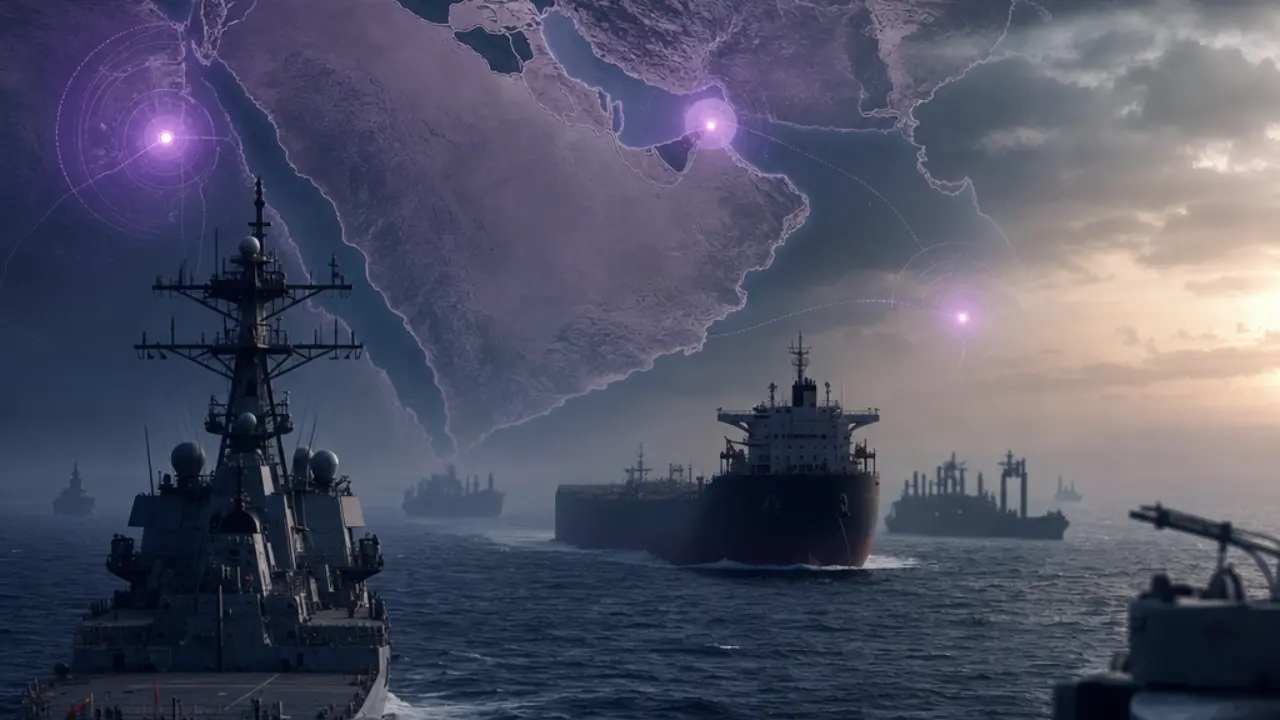
The confrontation between the United States and Iran has become the defining geopolitical risk of 2026. Since American strikes began in May, the conflict has closed the Strait of Hormuz to most traffic, pushed oil above $100 per barrel, and opened a second maritime front at Bab al-Mandab, where Houthi forces have declared a blockade of Saudi-linked shipping.
As of late July, the US has paused new strikes while mediators push for a ceasefire — but Tehran says no negotiations are underway. This article maps the current state of the conflict, the main escalation and de-escalation paths, and what forecasters and markets are watching to tell them apart.
Quick Answer
The conflict is in a fragile pause: the US halted new strikes on 27 July, but no ceasefire is agreed and Iran denies negotiating. The central questions for forecasters are whether the strike pause becomes a durable ceasefire, whether the Strait of Hormuz reopens, and whether the Houthi blockade of Saudi-linked shipping widens the war. Each has distinct market signals — and none is close to resolved.
Where the Conflict Stands
Key Developments
- Strikes and blockade — US air campaigns have run in waves since May, alongside a naval blockade of Iran; an earlier ceasefire collapsed in mid-July, when Iran struck two tankers in the Strait of Hormuz.
- Hormuz effectively shut — Iran has closed the strait to most traffic, removing the corridor for roughly a fifth of global oil flows and pushing crude above $100 on 23 July.
- The Houthi front — Houthi forces declared a blockade of Saudi-linked shipping at Bab al-Mandab; Saudi Arabia confirmed a vessel was struck and retaliated against targets in Hodeidah, while satellite imagery indicated damage near the Jazan refinery.
- Diplomatic state — mediators are pushing a 10-day ceasefire framework; Washington paused new strikes on 27 July, but Tehran rejected an earlier deal that left control of Hormuz unresolved and says no talks are active.
- Costs mounting — US officials put the direct cost of the campaign above $37 billion, a figure that shapes domestic pressure on both escalation and exit.
Escalation Paths
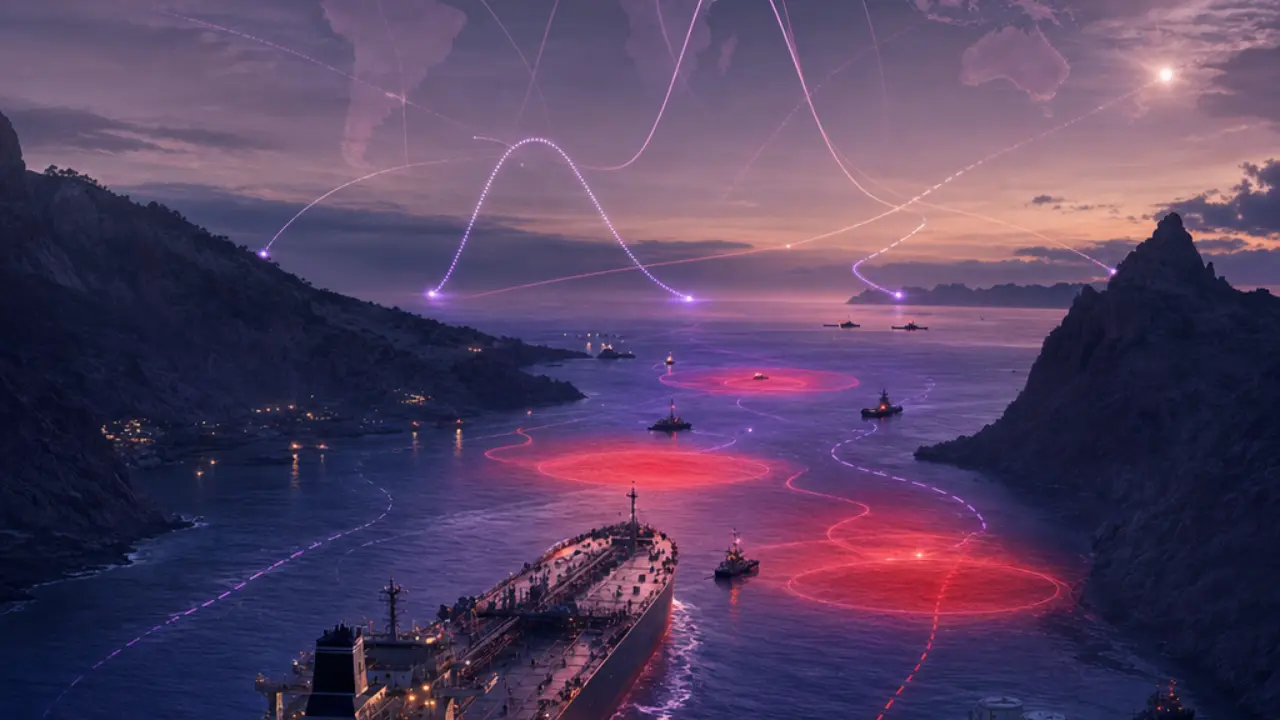
The most-watched escalation risk is a widening of the Saudi front. If Houthi attacks on Saudi-linked shipping continue — or strikes on Saudi territory intensify — Riyadh could be drawn from retaliation into sustained involvement, converting a US-Iran conflict into a regional one. A second path runs through miscalculation at sea: with warships, tankers and drones operating in two congested chokepoints, a single incident can undo weeks of de-escalation, as the mid-July tanker strikes demonstrated.
The third path is internal to the negotiating positions themselves. Iran has signalled it will not accept a temporary truce that leaves the status of Hormuz unresolved; Washington has signalled strikes resume if no deal is reached. Those positions are not currently compatible — which is why a strike pause should not be confused with a settlement. For background on how the strait functions as a pressure point, see our analysis of Strait of Hormuz risk.
Scenarios From Here
Possible Scenarios
- Ceasefire holds and expands — the strike pause becomes the mediators’ 10-day framework, tanker traffic partially resumes, and oil retreats from triple digits. Requires movement on the Hormuz question that neither side has yet shown.
- Frozen confrontation — no formal deal, but strikes stay paused; Hormuz remains constrained, oil stays elevated, and the conflict settles into an armed standoff punctuated by incidents. Arguably the path of least resistance for both sides.
- Regional widening — the Houthi-Saudi exchange escalates or a new tanker incident collapses the pause; strikes resume at higher intensity and energy markets price a prolonged double-chokepoint disruption.
For those tracking the conflict through markets, three indicators matter most: tanker transit and insurance rates through Hormuz and Bab al-Mandab, the oil price path we examined in how Middle East conflict affects oil prices, and whether ceasefire-related prediction markets begin pricing a durable agreement rather than another pause. The supply-side backdrop is covered in our piece on Iran sanctions and oil supply.
Follow Geopolitical Forecasts
Explore Geopolitical Predictions on Nexory
Nexory lets users forecast geopolitical outcomes — from ceasefire timelines to energy disruptions — and observe how collective expectations shift as events unfold.
Explore Geopolitical PredictionsThe Bottom Line
The late-July pause is genuinely significant — it is the first sustained halt in strikes since the mid-July ceasefire collapse. But the structural disagreement over Hormuz remains unresolved, and the Houthi-Saudi front adds an escalation channel that neither Washington nor Tehran fully controls. The honest assessment is a conflict that has become easier to freeze than to end: forecasters should treat headlines about pauses and frameworks as data points, not endpoints, until the chokepoints themselves reopen.
Frequently Asked Questions
Is there a ceasefire between the US and Iran?
Not currently. The US paused new strikes on 27 July 2026 and mediators are pushing a 10-day ceasefire framework, but Iran says no negotiations are underway and an earlier ceasefire collapsed in mid-July.
Why is oil above $100 a barrel?
Iran’s effective closure of the Strait of Hormuz removed the corridor for roughly a fifth of global oil flows, and Houthi attacks at Bab al-Mandab disrupted the main alternative route for Saudi-linked exports. Two simultaneous chokepoint disruptions pushed crude past $100 in late July.
Could Saudi Arabia be drawn into the war?
It is a live risk. The Houthi blockade of Saudi-linked shipping and Saudi retaliatory strikes on Hodeidah mark the most direct Saudi involvement so far. Whether this remains limited retaliation or becomes sustained participation is one of the key escalation questions.
What should forecasters watch next?
Tanker traffic and insurance rates through Hormuz and Bab al-Mandab, whether the strike pause survives new incidents, and whether any ceasefire framework addresses control of Hormuz — the issue that collapsed the last agreement.